The Real Problem: A Costly Mistake Avoided
We recently consulted with a small e-commerce brand—let’s call them "GreenLeaf"—that was in the middle of a site redesign. Their marketing director was excited about a hero image they found on a free wallpaper site. It was perfect: moody lighting, excellent composition, and it fit their brand aesthetic flawlessly.
There was just one problem. When we dug into the fine print, the image was marked strictly for "Personal Use Only."
Had they launched that campaign, they would have been vulnerable to legal action, copyright infringement fees, and a forced takedown that could have derailed their launch. This scenario is far more common than most business owners realize. In the rush to launch business website images, the nuance of image copyright often gets lost, but the consequences are very real.
So, how do commercial image licenses differ from personal ones, and why does getting it right matter for your bottom line?
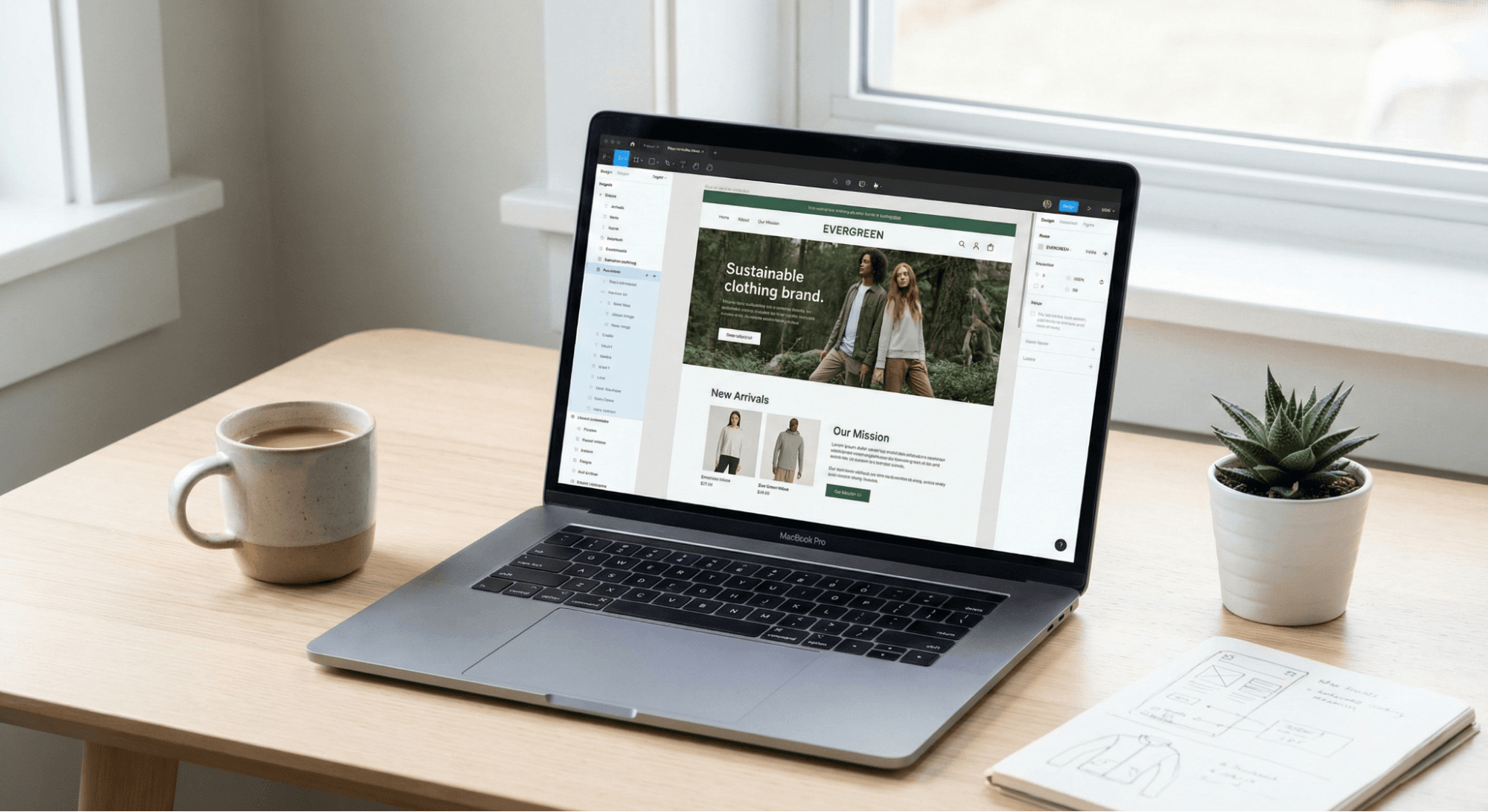
Understanding Personal Use Licenses
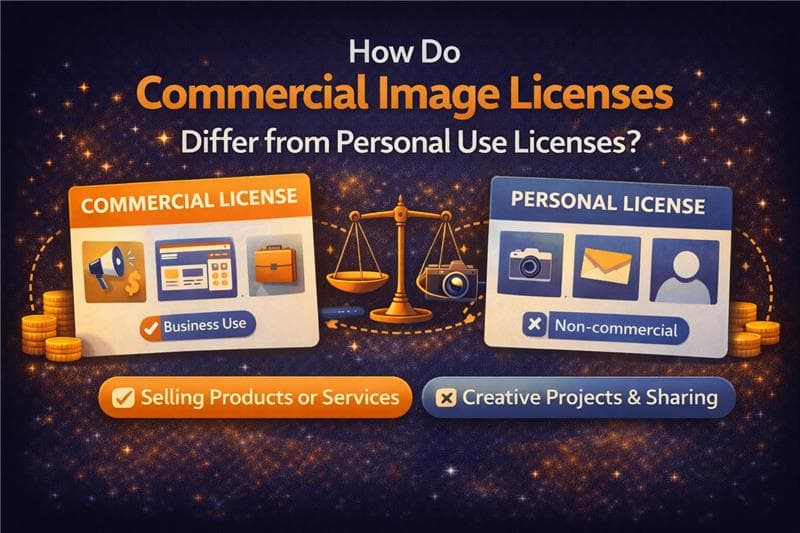
Think of a personal use license as a "neighborly agreement." The creator is saying, "You can enjoy this, but you can’t make money from it."
These licenses are designed for non-commercial environments. If you are printing a photo to hang in your living room, using it for a school project, or posting it on a personal blog that has zero monetization (no ads, no affiliate links), you are generally in the clear.
Common Personal Use Restrictions:
- No Commercial Gain: You cannot use the image to sell a product or service.
- No Modifications: Often, you cannot alter the image significantly.
- No Business Association: You cannot use the image as a logo or part of a brand identity.
Real-World Example:
If you download a personal use image license photo to use as your desktop background, that is allowed. If you use that same photo as the background for your LinkedIn business banner, you have likely violated the license.

Understanding Commercial Use Licenses
A commercial image license is the standard for doing business. It grants you the rights to use an image in contexts where money changes hands or where a brand is being promoted.
When you purchase licensed stock photos for commercial use, you are essentially buying an insurance policy for your creative work. These licenses cover marketing campaigns, company websites, social media ads, brochures, and merchandise.
Key Benefits:
- Legal Protection: You have proof of right-to-use.
- High Resolution: Files are typically print-ready.
- Modification Rights: You can usually crop, filter, or overlay text to fit your brand.
Key Differences Between Personal and Commercial Licenses
At a glance, the differences might seem subtle, but they dictate exactly how an asset can be deployed. Here is a breakdown of what separates the two:
Feature | Personal Use License | Commercial Use License |
Permission to sell | ❌ Strictly Prohibited | ✅ Allowed (with standard restrictions) |
Use in ads or campaigns | ❌ No | ✅ Yes |
Modification rights | ⚠️ Often Limited | ✅ Full or Specified |
Print/Distribution limits | ⚠️ Often Restricted | ✅ Usually Unrestricted (up to a limit) |
Business Social Media | ❌ No | ✅ Yes |
Understanding these distinctions is vital when debating free vs paid images. While free images are tempting, paid commercial licenses provide the freedom to scale your marketing without looking over your shoulder.
Common Pitfalls & Misconceptions
In our years of helping clients curate visual content, we see the same mistakes happen repeatedly.
1. The "Free" Trap
Many assume that if an image is on Google Images or a free aggregator, it is public domain. This is false. Unless explicitly stated, assume an image is copyrighted.
2. Ignoring Model Releases
Just because you bought a photo doesn't mean you can use the person in it to endorse your product. Commercial licenses from reputable sources like Wallpezia usually track model releases, ensuring the people in the photos have agreed to be used in advertising.
3. The "Educational" Grey Area
Using an image in a company training manual is technically internal, but because it supports a for-profit entity, it often requires a commercial license, not a personal one.
Tips for Choosing the Right License for Your Business
To keep your brand safe and your designs professional, follow these three steps:
Verify Before You Download
Always read the licensing agreement. Look for the words "Commercial Use Allowed." If the terms are vague, it is safer to walk away.
Prefer Curated Platforms
Using a dedicated library like Wallpezia removes the guesswork. Platforms that clearly label assets as "Commercial" vs "Personal" save you hours of legal due diligence.
Keep a Record
Create a folder or spreadsheet where you track which images were purchased, where the license is stored, and where the image is currently being used.
Check Resolution
Personal use files are often compressed. For business website images, you need high-resolution assets that look crisp on Retina displays and 4K monitors.
Final Thoughts
The difference between a personal and commercial license is more than just a piece of paper—it is the difference between a professional brand and a potential liability.
Take a moment this week to audit your current website and marketing materials. If you are unsure about the origin of your images, it is time to replace them. Investing in proper licensing protects your reputation and ensures that the artists creating the work are fairly compensated.
Ready to upgrade your visual strategy? Explore the Wallpezia library today for high-quality, commercially safe images designed to elevate your brand.